How to Unclog a Toilet with a Plunger in Carrollton
Here is how to unclog a toilet with a plunger in a Carrollton home: stop more water from going into the bowl, use a flange plunger, make a tight seal over the drain, push down gently, then pull up hard 15 to 20 times. If several rounds fail or other drains back up, stop and call to be connected with a local provider.
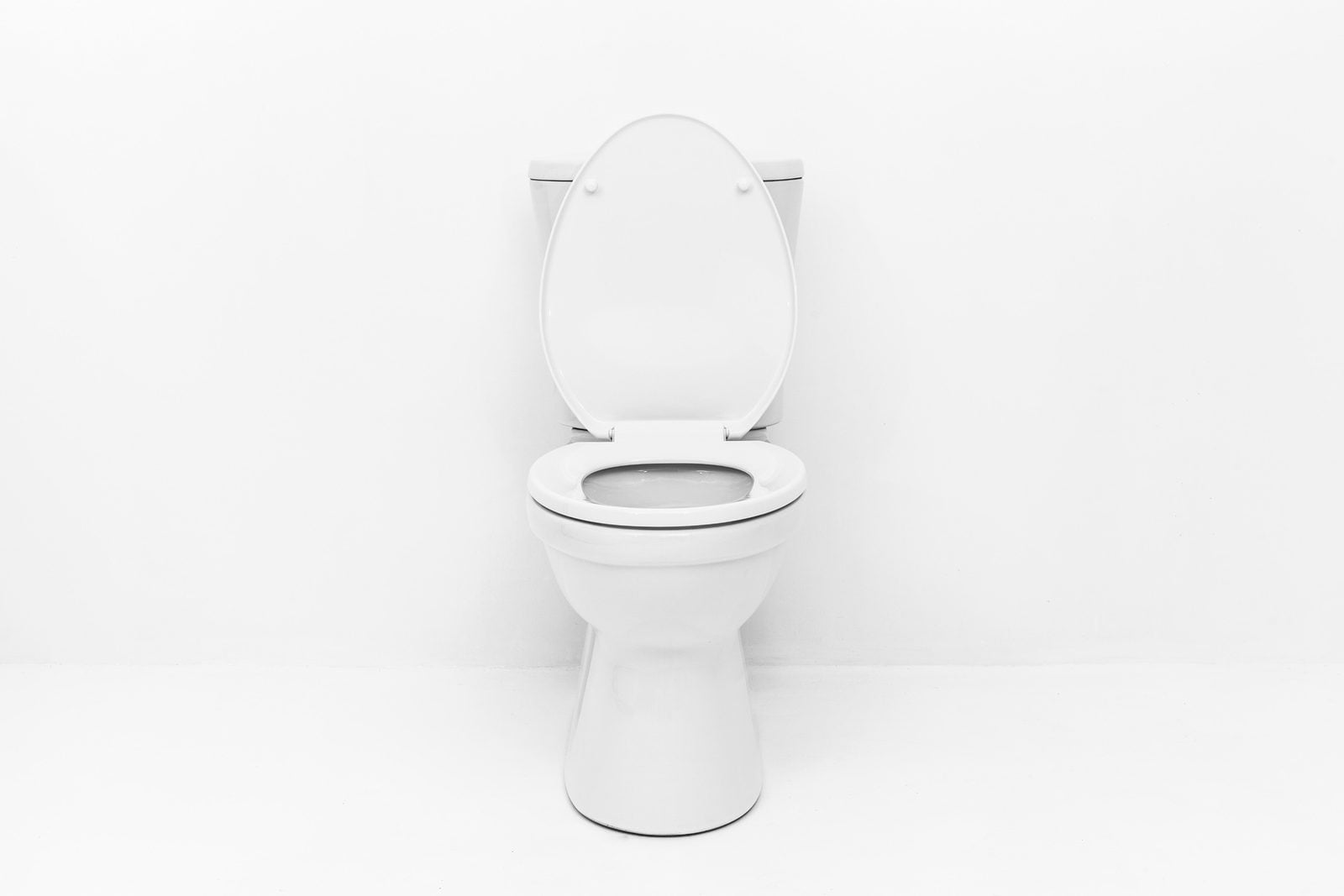
- Use a flange plunger, the kind with a soft rubber sleeve under the cup. A flat sink plunger cannot seal a toilet drain.
- If the bowl is near the rim, do not flush again. Close the valve behind the toilet first.
- The pull stroke does most of the work. Push gently, then pull back sharply.
- Never plunge a bowl that has chemical drain cleaner in it.
- The Texas Department of Insurance says most home policies cover sudden water damage such as a toilet overflow, but usually not gradual leaks.
What to do first
- Do not flush again if the water is rising toward the rim.
- Turn the oval shutoff valve on the wall behind the toilet clockwise until it stops.
- If the valve is stuck, lift the tank lid and hold the flapper closed, or lift the float to stop the fill.
- Put old towels around the base of the toilet to catch splashes.
- Put on rubber gloves and open a window or turn on the bathroom fan.
What should I do first when my toilet is clogged and the water is rising?
When a toilet in your Carrollton home is clogged and the water is rising, stop the water first. Do not flush again. Turn the shutoff valve behind the toilet clockwise, or lift the tank lid and press the flapper down so no more water flows into the bowl.
Most toilet clogs sit close to the bowl, in the curved trap built into the toilet, which is the spot a plunger is made for. Before you start:
- Lay old towels around the base and wear rubber gloves.
- If the bowl is full to the rim, scoop some water into a bucket.
- If the bowl is nearly empty, add water so the plunger cup is covered. A plunger pushes water, not air.
How to unclog a toilet with a plunger: what are the steps?
To unclog a toilet with a plunger, seat a flange plunger over the drain hole, push down slowly to squeeze out the air, then pull up sharply while keeping the seal. Repeat 15 to 20 strokes, then check whether the water drains. Most simple paper clogs clear in one to three rounds.
- Warm the rubber. Run the cup under hot tap water so it seals better.
- Fold out the flange and fit it into the drain opening so the cup sits flat.
- Make the first push gentle. A hard first push sprays water out of the bowl.
- Pump with a strong pull. Keep the handle straight. The pull creates the suction that loosens the clog.
- Break the seal and look. If the water rushes down, the clog moved.
- Test with care. Open the shutoff valve and flush once, ready to close it if the bowl rises.
What kind of plunger works on a toilet?
A flange plunger works on a toilet. It has a rubber cup with a soft sleeve that folds out of the bottom and fits the toilet drain opening. A flat cup plunger is made for sinks and tubs and usually cannot seal the curved toilet outlet.
Accordion plungers also fit many toilets but are harder to seal and control. Whatever style you use, check that the rubber is not cracked or stiff, because old rubber leaks air on every stroke.
Need help now? Call to be connected with a local provider in Carrollton who can check availability for your address.
Why is my plunger not working on the toilet?
A plunger usually fails on a toilet because it is not sealing, there is not enough water in the bowl, or the blockage is something solid that suction cannot move. Fix the seal and water level first, then try again.
- Wrong plunger. A flat sink plunger slides around and leaks.
- Weak pull stroke. Pushing alone packs the clog tighter.
- A solid object. Toys, toothbrushes and flushable wipes do not break apart, and plunging can push them deeper.
- The clog is past the toilet. If the tub or shower gurgles or backs up when you flush, the blockage may be in the drain or main sewer line.
When should I stop plunging and call for help?
Stop plunging and call for help when three or four rounds do not clear the toilet, when you know a solid object went down, or when other drains back up at the same time. More force can crack the porcelain, shift the wax seal or push the problem deeper.
- Water seeps out around the base of the toilet after plunging.
- You smell sewage. Sewer gas can be unsafe in a closed room, so open windows and leave if the smell is strong.
- Dirty water comes up in a tub, shower or floor drain.
- The same toilet clogs again and again.
In any of these cases, Call (469) 281-0380 to be connected with a local provider in the Carrollton area.
Is it safe to use drain cleaner or a toilet auger instead?
Chemical drain cleaner is a poor choice for a clogged toilet. It often does not reach the clog, and it can splash on your skin and eyes if you plunge afterward. A hand toilet auger is safer for a stubborn clog if you use it gently.
If you already poured in a chemical cleaner, do not plunge and do not add another product, because mixing products can release harmful fumes. Open a window, leave the room, and tell whoever you call what you used.
A toilet auger has a bent rod with a rubber guard that protects the bowl. Feed the cable in slowly, turn the handle and pull it back. Do not force it. A jammed cable means the clog needs a provider with the right tools. Never pour boiling water into the bowl, which can crack cold porcelain.
How can I keep my toilet from clogging again?
The simplest way to keep a toilet from clogging again is to flush only toilet paper and waste, and not too much paper at once. Most repeat clogs come from wipes, paper towels, cotton products and hair.
- Keep a lidded trash can in every bathroom for wipes.
- Teach kids that only paper goes in the toilet.
- Flush twice for large loads.
- Watch for a weak, slow flush, which can mean a partial clog.
If one toilet keeps clogging when you are careful, the cause may be deeper. See clogged drain or sewer line problem.
What happens during the visit if I call for a clogged toilet?
When you call about a clogged toilet in Carrollton, you are connected with a local provider who starts with an inspection. They look at the toilet, check other drains for signs of a deeper blockage, and ask what you already tried, including any products you used.
Next, the provider explains your options in plain words, such as clearing the toilet with professional tools, pulling it to remove a stuck object, resetting it on a new wax seal, or a camera check of the drain line. You should get a written quote before any work begins. See How It Works.
What Carrollton-area homeowners should know about toilet clogs and overflows
A clogged toilet in Carrollton, Farmers Branch, Coppell or Lewisville is usually a simple fix, but an overflow can turn into water damage fast. The Texas Department of Insurance says most homeowner and renters policies cover sudden and accidental water damage, such as a toilet overflow, but usually not damage from gradual leaks or seepage. TDI also warns that mold can start growing within a day after a leak and advises stopping a leak as soon as possible. If a toilet overflows, take photos and dry the floor right away. Many policies treat sudden damage differently from gradual leaks; check your policy and document everything.
Know where your water shutoffs are before you need them. Dallas Water Utilities says most homes have a private cut-off valve, typically near an outside faucet close to the house, and that older homes may have a buried valve with an L-shaped iron handle. The main valve is your backup if the toilet valve is stuck.
If you want to handle a simple fix yourself, Texas law says a property owner is not required to be licensed to do plumbing in their own homestead. The Texas State Board of Plumbing Examiners (TSBPE) advises asking your city's plumbing inspection department whether a job needs a permit. If you hire help, TSBPE suggests asking for the name of the company's Responsible Master Plumber and checking that the license is valid. Homeowners in Addison, Irving, The Colony and Flower Mound can Call (469) 281-0380 to be connected with a local provider.
Related pages
Questions people ask
What is the easiest way to explain how to unclog a toilet with a plunger to someone who has never done it?
Cover the drain hole with a flange plunger, push gently, then pull up hard 15 to 20 times. Check that the water drains before you flush.
Why does my toilet water rise up instead of going down when I flush?
Rising water means the drain is blocked and the tank water has nowhere to go. Stop the flow at the valve or flapper, then plunge.
How many times should I plunge a toilet before giving up?
Try three or four rounds of 15 to 20 strokes. If it still will not drain, the clog is likely solid or deeper in the line.
Is it okay to plunge a toilet when the bowl is full to the top?
Scoop some water into a bucket first. A full bowl overflows as soon as you push.
Will a plunger get a toy or phone out of my toilet?
Usually not, and plunging can push it deeper. If you can see it, pull it out with gloves. If not, stop using that toilet and call.
Can flushable wipes really clog my toilet?
Yes. Wipes labeled flushable do not break down like toilet paper and can build up in the trap or line. Put them in the trash.
Why does my toilet keep clogging even when I use very little paper?
Repeat clogs often point to something stuck in the trap or a partial blockage in the drain line. An inspection can find the cause.
Why is my bathtub gurgling when I plunge the toilet?
Gurgling in the tub usually means the clog is past the toilet, in the shared drain or sewer line. Stop plunging and call.
What does it mean if water leaks around the base of my toilet after plunging?
A leak at the base often means the wax seal under the toilet has shifted. Stop using that toilet, dry the floor, and call.
Should I turn off the water to the toilet before plunging?
Yes, if the bowl is high or you plan to test with a flush. Turn the valve clockwise, then reopen it once the clog clears.
What should I do if the shutoff valve behind my toilet will not turn?
Do not force it, because old valves can break. Lift the float or hold the flapper closed, and use the main house shutoff if needed.
Does home insurance in Texas cover damage from an overflowing toilet?
It may. The Texas Department of Insurance says most home policies cover sudden and accidental water damage, such as a toilet overflow, but usually not gradual leaks. Check your own policy and take photos.
How do I clean up after a toilet overflow in my bathroom?
Wear gloves, soak up the water right away, and disinfect hard floors. Dry the area with fans and check the ceiling below for damp spots.
Is a toilet auger better than a plunger?
Not better, just different. A plunger handles most clogs, and a toilet auger helps when the plunger cannot loosen the blockage.
Who can I call in Carrollton if plunging does not unclog my toilet?
Call (469) 281-0380 to be connected with a local provider in Carrollton. The same number works for nearby cities such as Coppell, Farmers Branch, Addison and Lewisville.
Talk to someone about your plumbing problem
Call to be connected with a local provider who can check availability for your address and explain the next step.